
Stage 2 of 10
Understanding
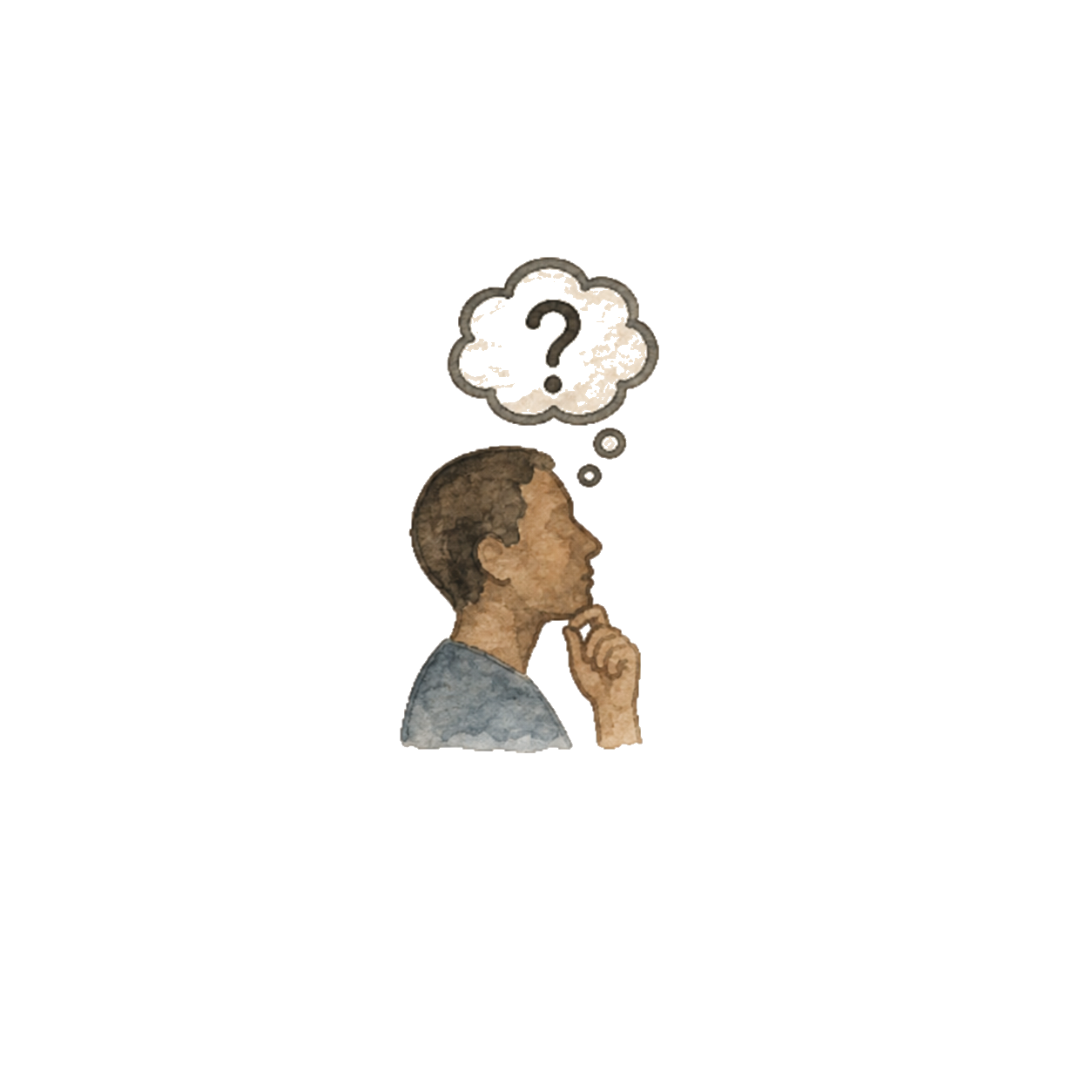
The heart begins deciding what the hurt means.
What Can I Do Here?
- 1
Separate what happened from what you think it means. “He did not call” may be a fact. “He does not care about me” may be your conclusion.
- 2
Do not claim to know another person’s heart. Ask, “What do I truly know about why this person did this?”
- 3
Leave room for what you do not know. You can say that an action was wrong without pretending that you know every reason behind it.
Biblical Truth
1 Corinthians 4:5
God knows the hidden purposes of the heart. We should be careful about claiming to know another person’s motives.
Proverbs 18:13, 17
Wisdom listens before answering and hears more than one side before reaching a conclusion.
James 1:19
Being quick to listen and slow to speak helps keep pain from turning quickly into judgment.
Put It Into Practice
On paper, make two headings: WHAT I KNOW and WHAT I THINK IT MEANS. This simple exercise can uncover conclusions that have begun to feel like facts.
Key Thought
Pain tells us that something happened. It does not automatically tell us why it happened.